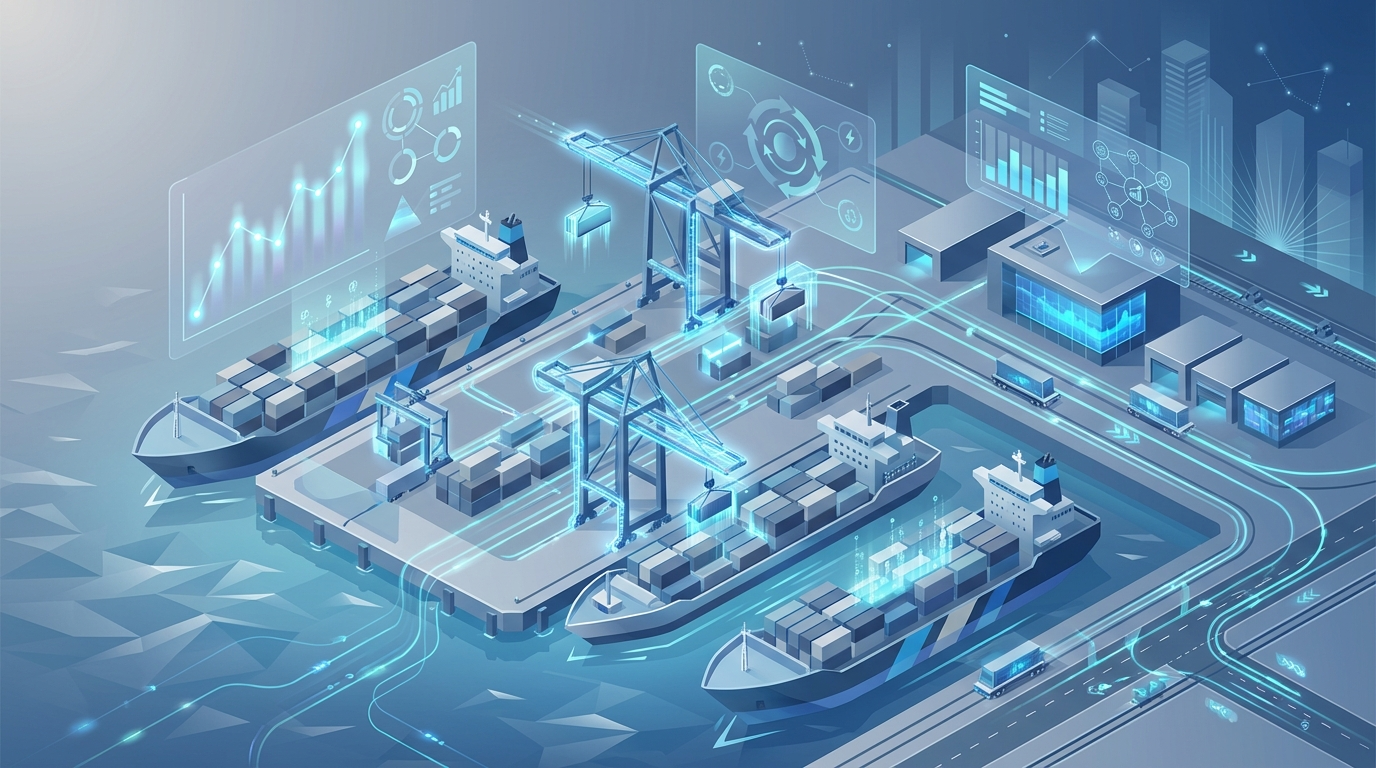
Why KPI Visibility Matters in High-Volume Port Operations
For transportation and container operations directors working in busy port environments, the margin for error is razor-thin. With hundreds of containers moving across yards, ports, and regional networks daily, operational blind spots can quickly translate into lost revenue, mounting demurrage fees, and customer dissatisfaction. Leaders in this space are measured not just by how many loads move each day, but by their ability to control costs, deliver on time, and minimize manual labor. Against this backdrop, the difference between profitable growth and firefighting often comes down to one thing: access to timely, actionable data.
Real-time visibility into operational and financial KPIs is no longer a luxury. It is a necessity for directors who want to protect margins, justify investments, and outperform competitors. Without integrated reporting and analytics, even the most experienced teams struggle to pinpoint inefficiencies before they erode profits. Too often, directors are left piecing together spreadsheets and whiteboard updates, unable to answer basic questions about container status, cost per move, or invoice cycle times. The result? Delays, penalties, and missed opportunities for improvement.
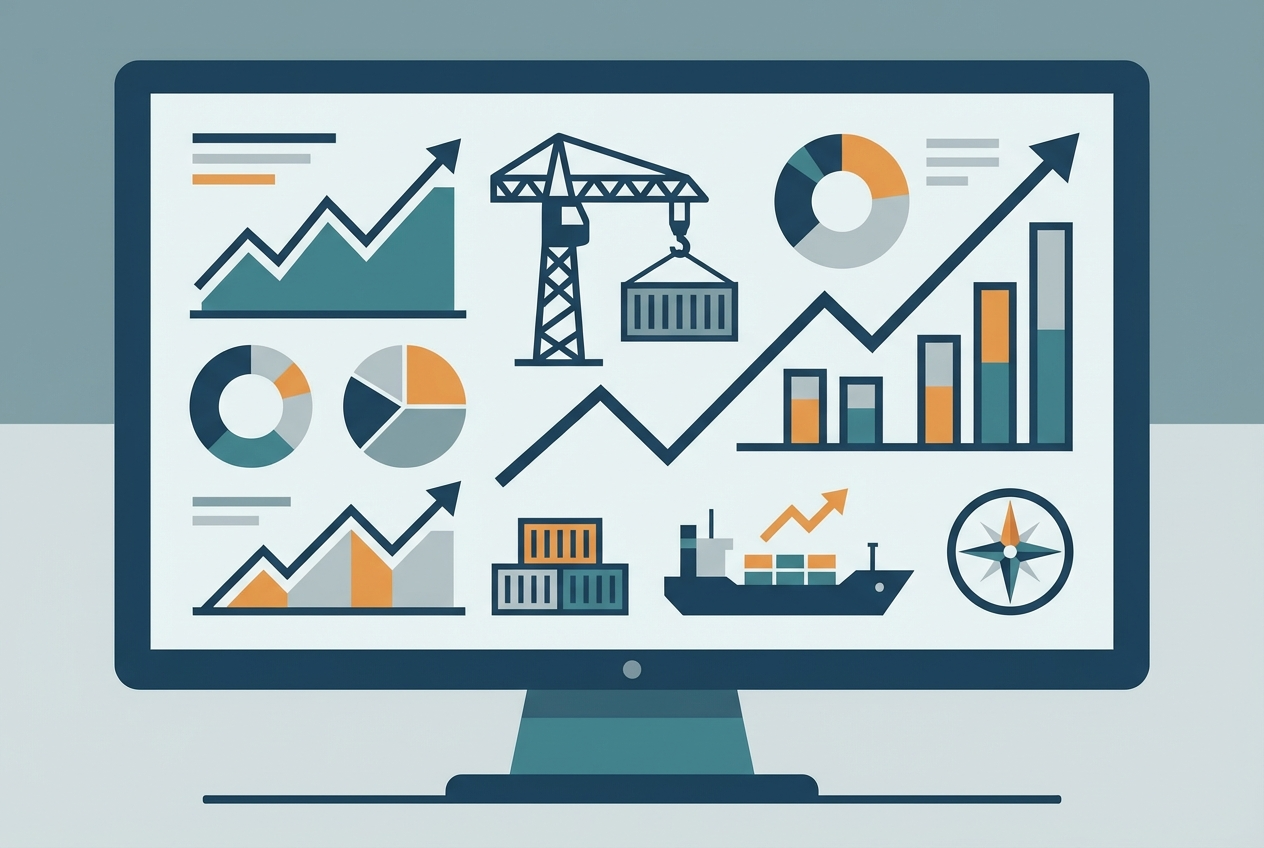
Essential KPIs for Operational and Financial Control
In high-volume container and port-based operations, the right KPIs separate leading teams from those who are constantly behind. Directors focused on operational ROI should prioritize:
- Cost per Shipment: Captures end-to-end expenses from pickup through delivery, including storage, labor, and fuel. High costs often signal workflow inefficiencies or missed consolidation opportunities.
- On-Time Delivery Percentage: Measures the reliability of container arrivals and departures. Even a small dip in this metric can trigger customer churn and costly service recovery efforts.
- Demurrage and Detention Fees: Tracks accumulated port penalties for late moves. Persistent fee exposure is a red flag for process bottlenecks or lack of proactive escalation.
- Admin Hours per Job: Quantifies manual labor spent on dispatching, billing, and compliance. Reducing this figure is central to scaling operations without inflating headcount.
- Billing Accuracy and Invoice Cycle Time: Monitors how quickly and accurately invoices are generated after proof of delivery. Delays or errors here directly impact cash flow and working capital.
- Customer Inquiry Volume: The frequency of “Where is my freight?” calls often indicates weak visibility, placing additional strain on teams and eroding trust.
Tracking these KPIs consistently is not just about performance measurement—it is about surfacing actionable insights that protect profits and enhance service.
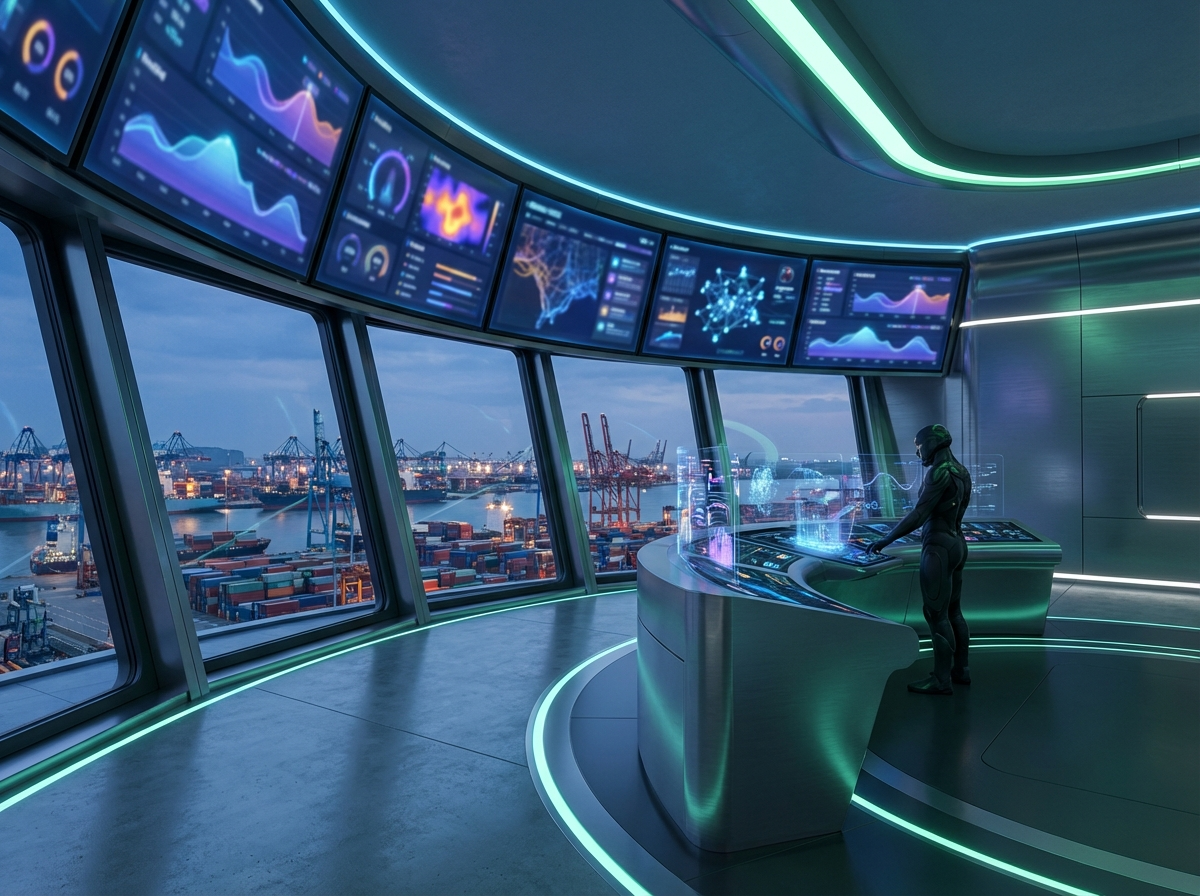
Unlocking ROI: Real-Time Analytics in Action
The real breakthrough comes when KPIs are not trapped in static spreadsheets but available in real time via interactive dashboards. Data-driven directors use this live intelligence to:
- Spot Inefficiencies Instantly: When dwell times at the port spike or admin hours per job creep upward, immediate alerts prompt quick interventions—before costs spiral.
- Reduce Demurrage Risk: Automated notifications flag containers approaching free time limits, giving teams time to reprioritize moves and communicate with terminals before penalties accrue.
- Accelerate Invoicing: Seamless integration between operational milestones (like POD uploads) and finance workflows enables near-instant invoice generation. This reduces the gap between delivery and cash collection, improving liquidity.
- Drive Service Recovery and Exception Management: When an on-time delivery rate falls below target, directors can drill into root causes within the dashboard—pinpointing whether the issue stemmed from port holds, driver delays, or document errors. Real-time access to supporting records streamlines customer communications and claim resolution.
- Inform Strategic Decisions: Over time, aggregated analytics reveal trends that inform contract negotiations, fleet resource planning, and investment in automation. Directors can back up recommendations with objective data, strengthening their case with the CFO and executive team.
Best Practices for Dashboard-Driven Port Management
To extract true value from KPI tracking and analytics, directors should anchor their approach around these best practices:
- Centralize Data Sources: Eliminate fragmented tools. Integrate dispatch, container tracking, billing, and finance data in a single reporting hub. This unlocks holistic visibility and reduces manual reconciliation.
- Customize Dashboards for Port Realities: Generic reports fail to capture the complexity of container and drayage operations. Directors need dashboards tailored to port-specific workflows—showing real-time status, delays, and cost indicators for each move.
- Automate Alerts and Workflows: Set threshold-based alerts for key metrics (e.g., dwell time, demurrage exposure, missed delivery milestones). Let the system highlight issues before they become expensive problems.
- Make KPIs Actionable for Teams: Share role-based views, so dispatchers, supervisors, and billing staff each see the KPIs most relevant to their responsibilities. This breaks down silos and aligns the entire operation around common goals.
- Continuously Review and Iterate: The port environment is dynamic. Directors should regularly review KPI definitions, dashboard layouts, and reporting cadence to ensure analytics remain aligned with evolving business objectives.
How FreightTracker Empowers Data-Driven Directors
FreightTracker’s Reporting & Analytics module is purpose-built for busy port and container operations. Unlike generic platforms, it combines:
- Real-Time Performance Dashboards: Monitor operational and financial KPIs as events unfold, not days or weeks later.
- Custom Reporting: Directors can configure dashboards to match port-specific workflows and company objectives—no heavy IT overhead required.
- Integrated Cost Analysis: Link operational events (like container moves and port dwell times) with cost metrics, surfacing inefficiencies for immediate action.
- Proactive Alerts: Automated notifications for demurrage risk, missed milestones, or billing anomalies keep teams focused on what matters most.
- Seamless Data Flow: Unify container tracking, dispatch, and financial data in a single platform, supporting fast, accurate billing and actionable insights.
When paired with FreightTracker’s Transport Management System (TMS) and Container Transport Module, directors finally gain the control and clarity they need to centralize operations, automate manual tasks, and unlock new levels of profitability.
In today’s competitive port logistics environment, operational discipline is measured in minutes, not months. With FreightTracker’s analytics at their side, directors can stop relying on hunches and outdated spreadsheets. Instead, they can prove ROI, protect margins, and deliver service excellence—move after move, shipment after shipment.