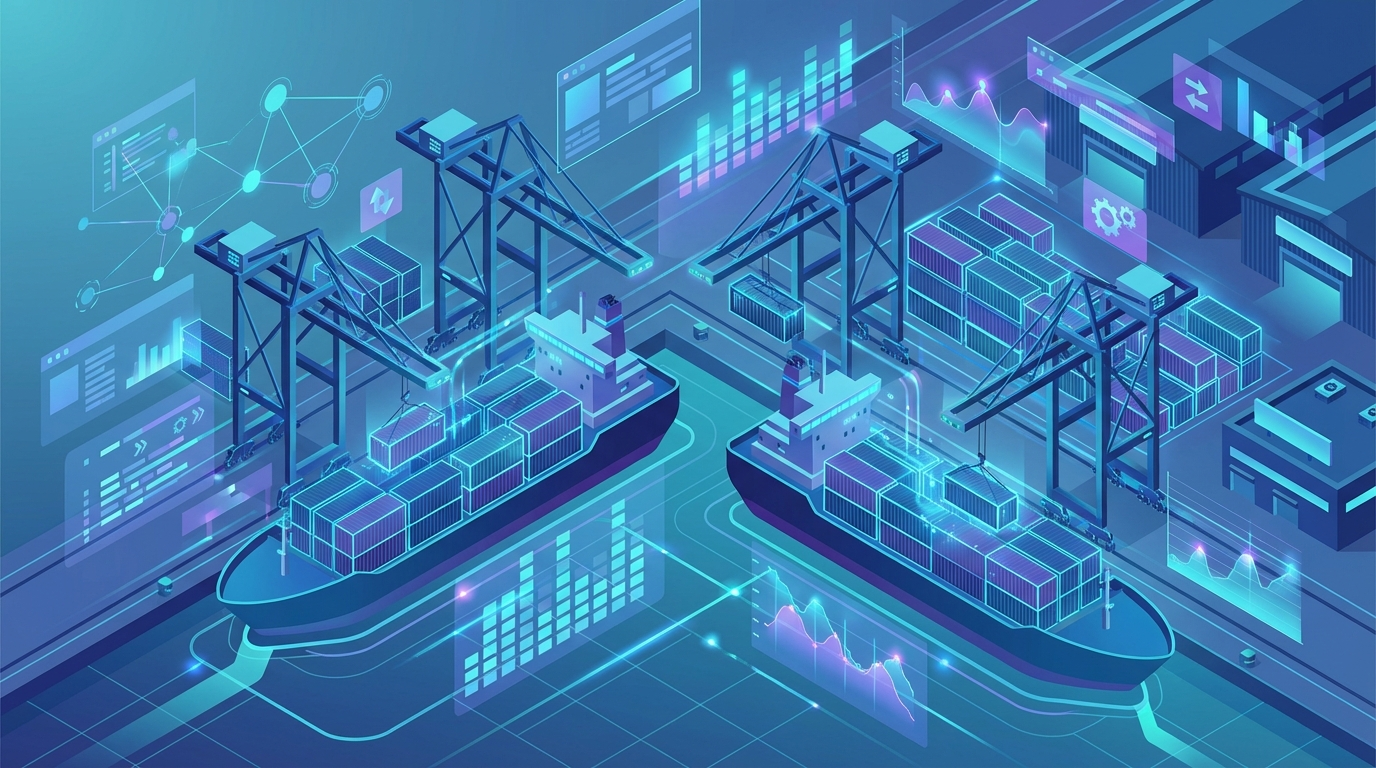
Why Data Visibility Is Non-Negotiable in High-Volume Port Operations
In modern port and intermodal environments, the pressure on operations directors is relentless. Every day, hundreds of containers flow through yards and terminals, deadlines are tight, and congestion isn’t just inconvenient – it’s costly. Manual processes, fragmented spreadsheet solutions, and after-the-fact reporting are simply no match for today’s demands. To compete and grow, operations leaders must make data-driven decisions – fast, confidently, and with complete context.
True visibility is about more than simply seeing where containers are. It’s the ability to track every move in real time, identify inefficiencies before they impact service, and ensure that financial outcomes reflect operational discipline. Without real-time data and actionable KPIs, even the most experienced leaders risk firefighting, missed opportunities, and eroding margins.
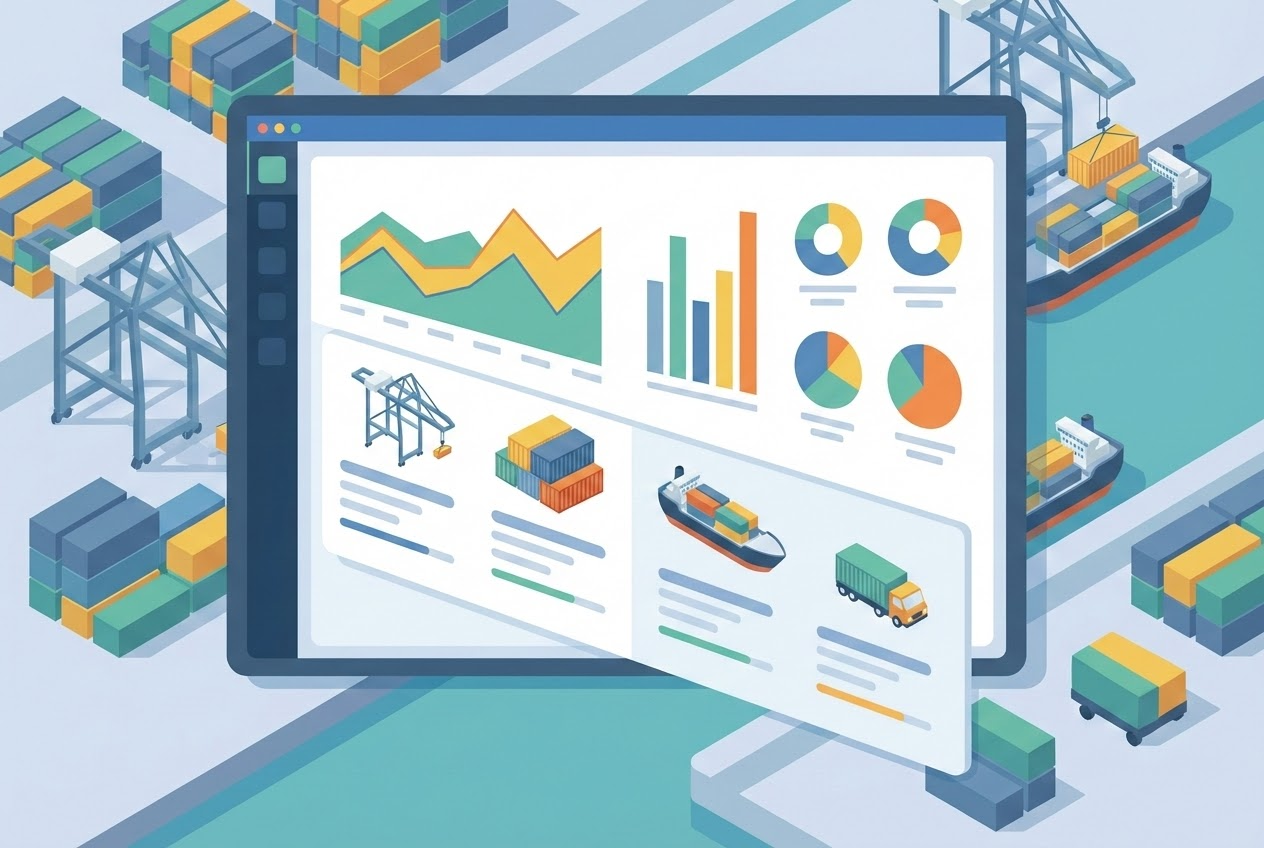
The Essential KPIs for Port-Centric Transport Operations
Choosing the right metrics is foundational. Directors of transportation and container operations need to focus on KPIs that directly impact both operational performance and financial outcomes. The following are mission-critical for busy port environments:
- Cost per Shipment: Tracks overall efficiency and cost control. High values may signal process breakdowns or resource bottlenecks.
- On-Time Delivery Percentage: Directly tied to customer retention and demurrage risk. Reliable, real-time tracking supports proactive recovery before deadlines are missed.
- Demurrage & Detention Fees: These can erode profitability rapidly. Monitoring exposure in real time enables timely intervention.
- Billing Accuracy and Cycle Time: Fast, precise invoicing protects cash flow and reduces revenue leakage.
- Admin Hours per Job: Indicates the level of automation and efficiency in dispatch and billing workflows. Excessive manual effort points to scalability risks.
- Customer Inquiry Volume: A high number of “where is my freight?” calls or emails signals visibility gaps that impact both service and internal productivity.
By tracking these KPIs consistently, operations leaders create a foundation for meaningful improvement and for demonstrating ROI to executive teams and customers alike.
How Real-Time Reporting Transforms Efficiency and Profitability
For leaders managing port and drayage operations, delayed or periodic reporting is no longer sufficient. Inefficiencies, compliance risks, and cost overruns often emerge in the gaps between static reports. FreightTracker’s Reporting & Analytics module is designed to bridge this gap, empowering decision-makers with:
- Live Performance Dashboards: Instant visibility into current performance across locations, teams, and shipment types.
- Custom KPI Tracking: Tailored views for the most relevant metrics – whether demurrage exposure, billing speed, or container lifecycle milestones.
- Automated Cost Analysis: Immediate breakdowns of cost per move or lane, enabling trend spotting and rapid corrective action.
This level of transparency supports proactive management. Instead of reacting to problems after they hit the bottom line, leaders can deploy resources, prioritize shipments, and adjust strategies in real time. Early identification of developing trends, such as rising wait times at a particular terminal, can prompt negotiation, re-routing, or operational changes before costs spiral.
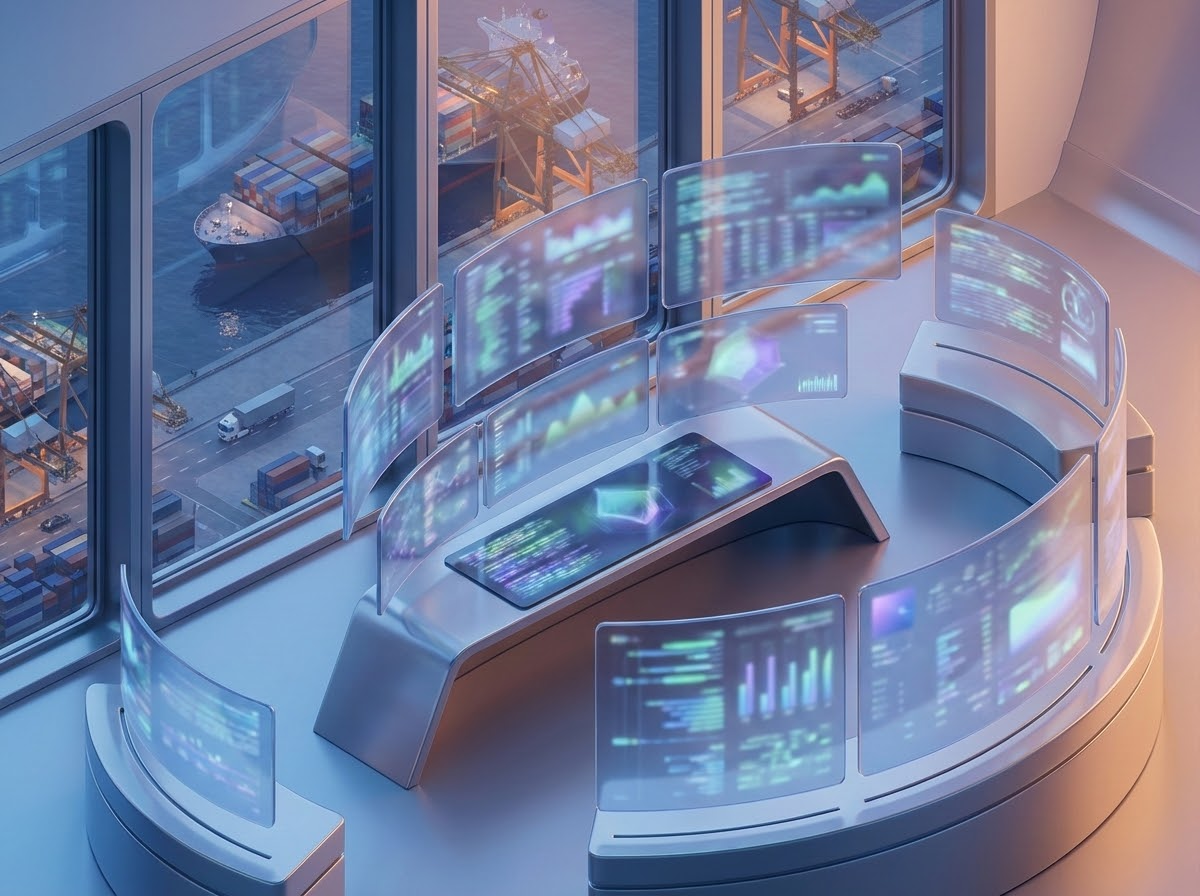
Operational Dashboards: Turning KPIs into Actionable Insights
Data without context is just noise. The real power of FreightTracker’s analytics lies in translating raw metrics into operational clarity. Modern dashboards bring together shipment data, container locations, billing status, and exception alerts into cohesive, role-specific views. For directors overseeing port operations, this means:
- Lifecycle Visibility: Every container’s status is visible – yard, port, road, and delivery – enabling smooth hand-offs and reducing lost inventory.
- Exception Management: Automated alerts flag late milestones, missed slots, or approaching demurrage charges, allowing teams to respond before costs accrue.
- Resource Utilization: Dashboards reveal bottlenecks in driver allocation, equipment usage, and admin capacity, providing a clear path for process improvements.
Most importantly, these dashboards serve as a single source of truth for both operational and financial reporting. This bridges the classic divide between on-the-ground action and strategic oversight.
Protecting Margins: From Cost Analysis to Proactive Exception Management
Margin protection is at the heart of every operational director’s mandate. In high-volume, complex port environments, profitability is easily eroded by avoidable delays, penalties, and manual errors. FreightTracker’s Reporting & Analytics, paired with the Container Transport Module and TMS, enables:
- Early Demurrage and Detention Alerts: Automated notifications let teams prioritize at-risk containers, reducing the risk of costly overruns.
- Integrated Billing and Rating: Real-time updates from driver PODs trigger instant, accurate invoicing – shortening the payment cycle and eliminating manual hand-offs.
- Process Automation: By reducing admin hours per job, teams can scale volume without ballooning headcount or introducing new error risks.
- Root Cause Analysis: Rapidly trace the origins of missed KPIs to specific lanes, customer types, or workflow gaps, enabling long-term fixes instead of repeated firefighting.
When exceptions do occur, such as port holds, equipment shortages, or documentation delays, leaders can use historical and real-time analytics to refine processes, negotiate better supplier terms, or reallocate resources strategically.
Building a Data-Driven Culture for Sustainable Growth
Adopting advanced analytics and real-time reporting is about more than just dashboards. It’s about empowering teams at every level to act confidently, backed by reliable data. For directors tasked with both operational execution and strategic growth, building a culture of transparency, accountability, and rapid improvement is essential.
With FreightTracker, operations leaders gain the practical tools to:
- Integrate port, yard, and over-the-road workflows in a single system
- Keep teams focused on exceptions and value-added work, not paperwork
- Prove discipline, efficiency, and ROI to executive stakeholders and customers
In a sector where every minute and dollar counts, the ability to make data-driven decisions is the difference between thriving and simply surviving. By monitoring the right KPIs, leveraging real-time analytics, and driving continuous improvement, busy ports can overcome today’s challenges and seize tomorrow’s opportunities.