Introduction: The High Cost of Margin Leakage in Modern Logistics
For logistics operators with complex, multi-site networks, maintaining healthy margins is a daily battle. As competition intensifies and operational complexity grows, even small inefficiencies can erode profits at the job and customer level. Margin leakage—the silent drain on profitability caused by fragmented processes, manual workarounds, and lack of real-time insight—is a pressing concern for operational leaders committed to professionalizing and scaling their businesses.
Raising awareness about margin control and profit visibility is no longer optional. It is essential for operators who want to be recognized for operational excellence and to secure the trust of boards, executive teams, and customers. This article explores the most common causes of margin leakage in logistics and explains how unified platforms empower operators to take back control, achieving real transparency down to every job, route, and customer.
Why Margin Leakage Persists: Root Causes in Multi-Depot Operations
Margin leakage is rarely the result of a single failure. It accumulates over time, often hidden within daily operations until profit targets are missed or exceptions trigger escalations. For operators managing multiple depots, several recurring factors contribute:
- Disparate Systems and Processes: Regional depots may rely on different tools, legacy TMS systems, or even manual spreadsheets. This patchwork approach leads to inconsistent data, duplicated efforts, and difficulty benchmarking performance across locations.
- Manual Data Entry and Knowledge Silos: Heavy reliance on manual input increases the risk of errors and omissions. When workflows depend on individual staff knowledge rather than standardized digital processes, continuity is threatened by staff turnover or absence.
- Delayed or Inaccurate Reporting: Outdated reports that require manual collation slow down decision-making. By the time margin issues are recognized, the damage is already done.
- Lack of Job-Level and Customer-Level Visibility: Without a single source of operational truth, operators cannot drill down to view true costs, revenue, and exceptions for each job, customer, or route. This obscures the real drivers of profitability.
- Inconsistent Rate Management and Billing: Manual or siloed rate controls result in misapplied charges and missed revenue opportunities, directly impacting margins.
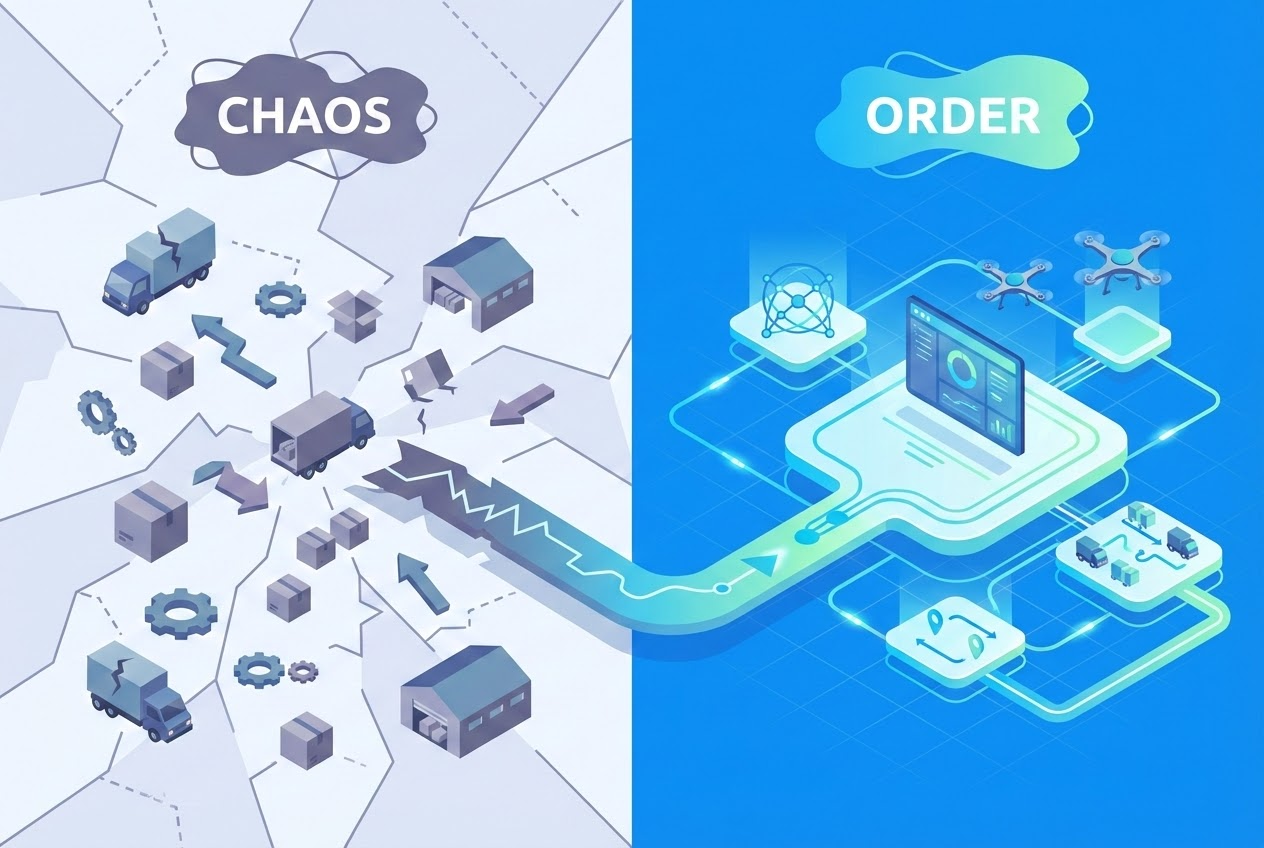
The result is a scenario where operational complexity outpaces the business’s ability to control it, creating an environment ripe for profit erosion.
The Power of Unified Platforms: Job-Level Visibility and Profit Control
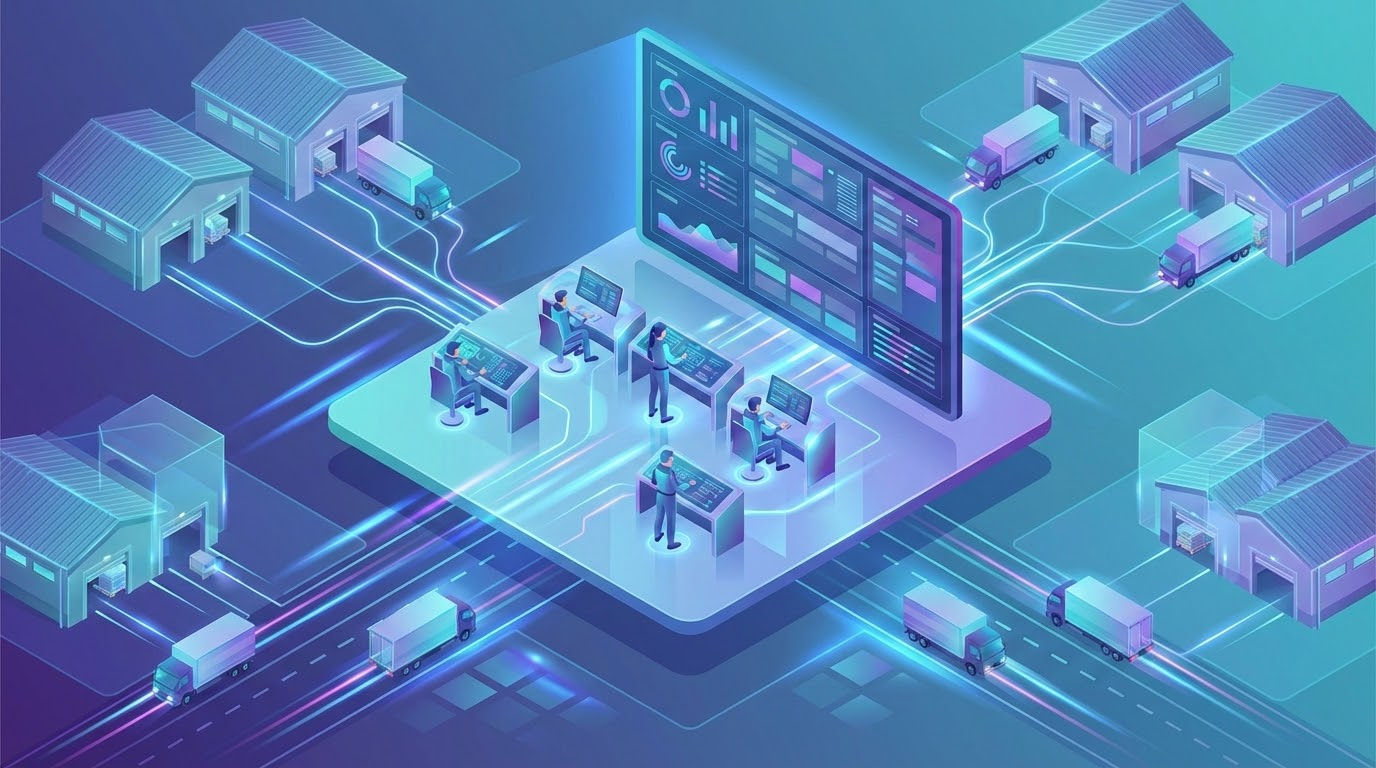
Addressing margin leakage requires more than incremental fixes. Leading logistics operators are turning to unified platforms—centralized systems that connect dispatch, operations, finance, and customer service in real time.
The benefits of these platforms are substantial:
- Centralized Job Management: Every shipment, job, and exception is tracked in a single system. This eliminates the blind spots and handovers that traditionally allow profit-draining errors to slip through.
- Automated Workflows and Data Capture: Unified platforms replace tribal knowledge and manual checklists with embedded, digital workflows. This ensures consistent process adherence across all depots, reducing manual errors and bottlenecks.
- Job-Level Analytics: Operators gain instant access to margin data by job, route, and customer. Instead of waiting for end-of-week or monthly reports, they can monitor profitability in real time and intervene before small issues become major leaks.
- Configurable Reporting: Custom dashboards and KPI tracking allow business leaders to tailor insights to their specific needs, supporting data-driven decisions at every level of the organization.
- Integrated Rate Management: Automation ensures the correct rates and tariffs are applied, reducing billing disputes and protecting margins from avoidable mistakes.
For operational leaders under pressure to deliver measurable financial outcomes, this end-to-end transparency is transformative.

FreightTracker’s Approach: Centralized TMS and Real-Time Analytics
FreightTracker’s Transport Management System (TMS) is designed specifically for logistics operators managing complex, container, and port-based operations. The platform addresses the core pain points that drive margin leakage for multi-depot businesses:
- Streamlined Dispatch and Planning: The TMS provides centralized job management, drag-and-drop scheduling, and live ETA tracking. This reduces manual entry errors and accelerates turnaround times.
- End-to-End Visibility: Real-time operational data is accessible to both head office and depot teams, eliminating the need for patchwork spreadsheets or siloed communications. Leaders can see precisely how each job is performing as it happens.
- Automated Rating and Margin Visibility: FreightTracker’s Rate Management & Tariff Control module ensures that rates are consistently and accurately applied. Margins can be tracked at the job, customer, and location level, giving finance and operations teams the tools to proactively protect profitability.
- Actionable Reporting & Analytics: Integrated dashboards provide performance metrics and cost analysis at a granular level. Operators can identify inefficiencies, benchmark depot performance, and support timely decisions for operational improvements.
By connecting operations, finance, and customers in one platform, FreightTracker eliminates manual reporting lag, enables real-time compliance tracking, and empowers operators to standardize workflows across all sites.
Key Business Outcomes: From Margin Transparency to Sustainable Growth
The impact of unified platforms like FreightTracker is measurable and strategic:
- Reduction in Manual Errors and Revenue Leakage: Automated workflows and integrated rate management minimize the risk of misapplied charges and missed billing opportunities.
- Real-Time Margin Control: Leaders gain the ability to spot margin leakage as it occurs, rather than after the fact. This supports proactive intervention and faster resolution of exceptions.
- Operational Consistency and Scalability: Standardized digital processes reduce dependency on individual staff knowledge, making it easier to onboard new depots or scale after major contract wins.
- Improved Trust and Credibility: Reliable, real-time data enables operators to deliver accurate, timely updates to customers and executive stakeholders, enhancing trust and supporting stronger business relationships.
- Faster, Data-Driven Decision Making: With actionable analytics at their fingertips, operational leaders can identify and address bottlenecks before they impact service levels or profitability.
These outcomes directly support business goals such as increasing operating margins, reducing exception rates, and achieving compliance with standard operating workflows across all locations.
Conclusion: Next Steps for Logistics Leaders Focused on Profitability
For logistics operators, the journey to eliminating margin leakage begins with transparency and control. Unified platforms like FreightTracker’s TMS deliver the visibility and operational discipline required to protect profits at the job and customer level, even as networks grow in scale and complexity.
Evaluating current processes and systems is the first step. Where are manual workarounds or knowledge silos hiding? Are real-time analytics available to support timely decisions? Can margin drivers be tracked and addressed as they occur?
By investing in a platform that centralizes operations and enables data-driven management, logistics leaders can build a foundation for sustained profitability and future growth. The business case is clear: eliminate margin leakage, empower your teams with actionable insight, and set a new standard for operational excellence in the logistics sector.