The Visibility Challenge in Modern Port Operations
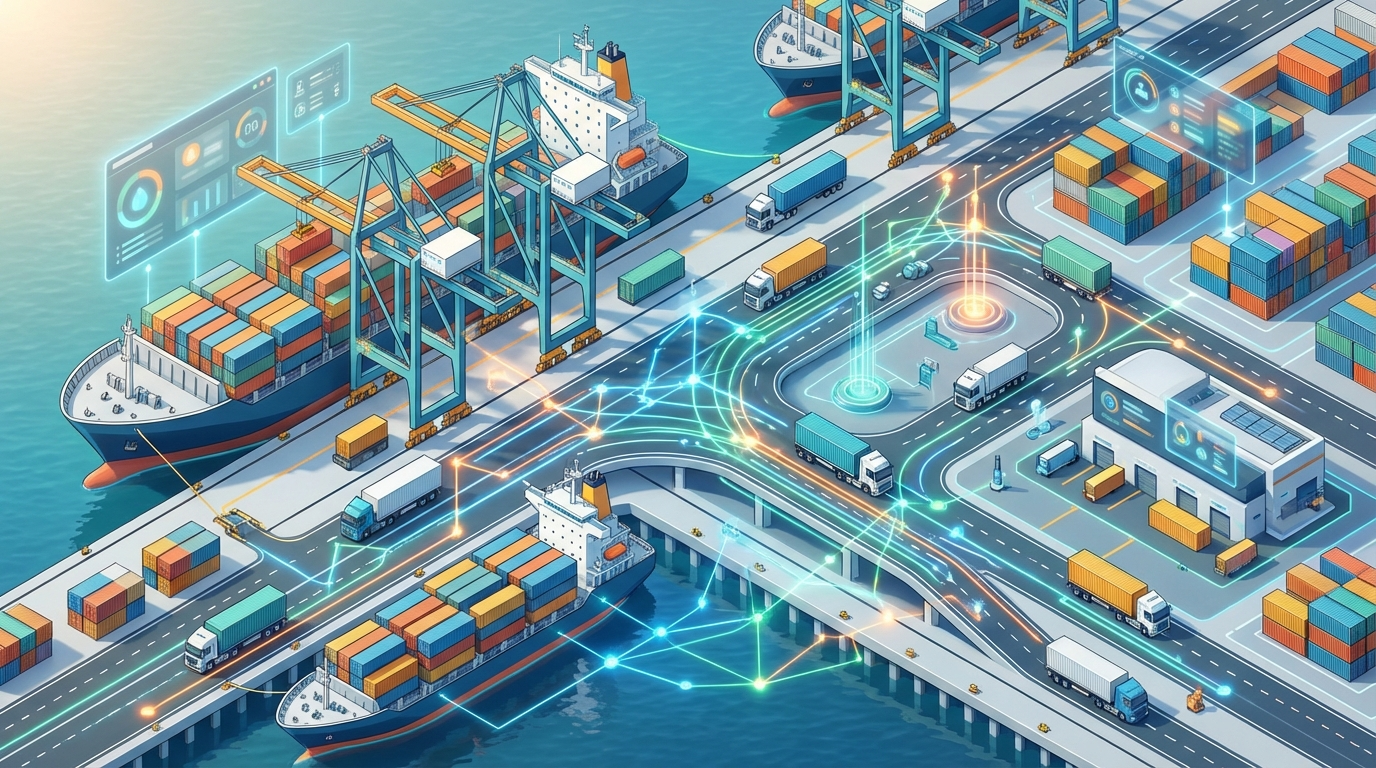
Port-based logistics providers face an increasingly complex landscape. With volumes surging, customer expectations rising, and new regulatory demands, the need for accurate, real-time operational visibility has never been more acute. Yet, for many operations leaders in the port sector, achieving a unified view of containers, assets, and driver activity remains a significant hurdle.
Fragmented visibility is more than an inconvenience—it’s a root cause of risk, inefficiency, and missed opportunities for growth. When critical data is trapped in siloed systems, spreadsheets, or inaccessible logs, exception handling slows to a crawl, bottlenecks go unchecked, and teams are forced to rely on manual workarounds. The result is an operation that struggles to respond dynamically to peak season surges, manage resources effectively, and deliver the high service levels demanded by customers and executive leadership alike.
For those responsible for managing multi-terminal or yard operations across busy port complexes, the stakes are especially high. The challenge is not just about keeping up—it’s about building an operational backbone that enables every team, from dispatch to the yard, to perform at their best, even under pressure.
Building an Integrated Operational Backbone
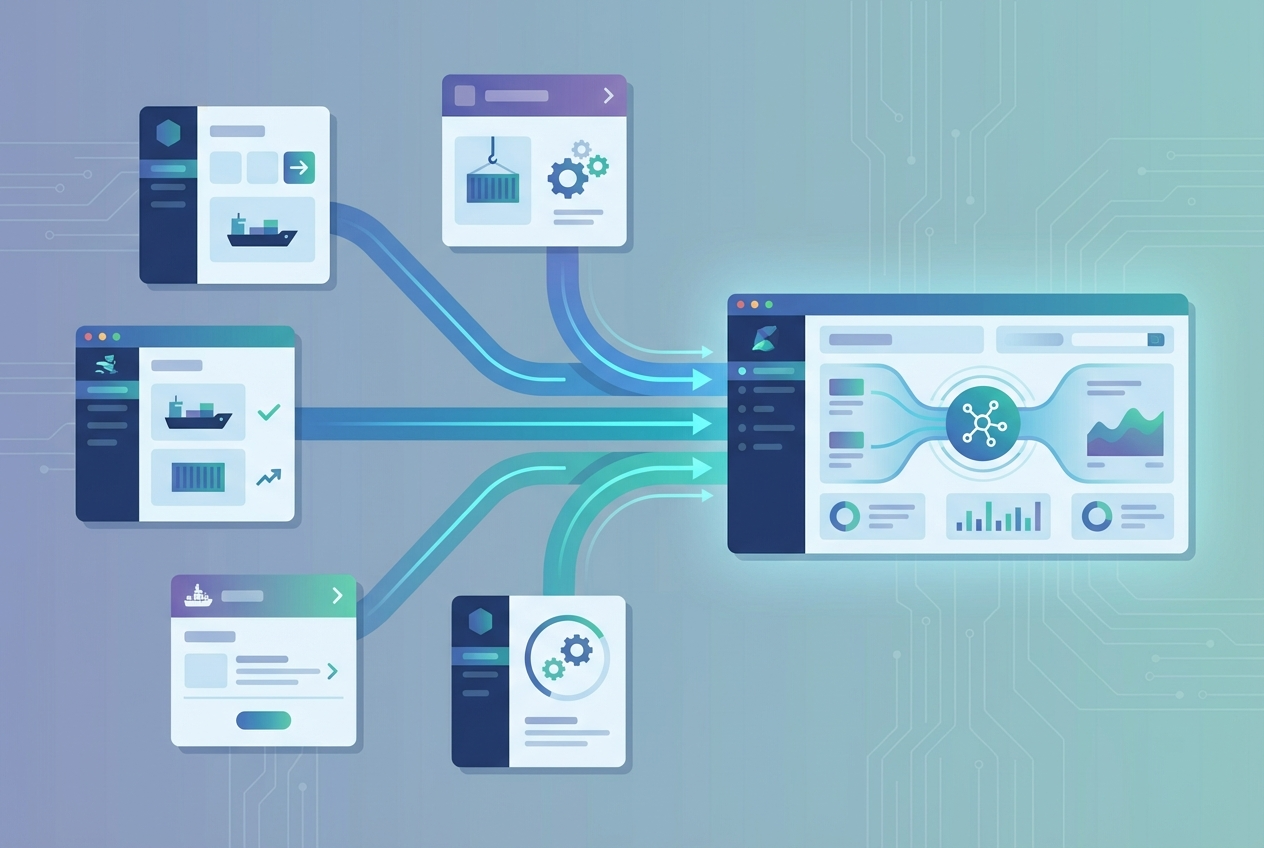
Unified visibility starts with a connected technology foundation. Leading port logistics operators are moving away from isolated point solutions and legacy tools toward centralized platforms that bring together all the moving parts of their operation. This shift is about more than technology adoption; it’s about enabling a new level of operational discipline, consistency, and agility.
FreightTracker’s Transport Management System (TMS) is purpose-built for this environment. By centralizing job management, planning, and real-time tracking, the TMS enables operations leaders to:
- Maintain end-to-end oversight of every container, vehicle, and driver
- Eliminate manual entry errors and reduce the risk of data inconsistencies between sites
- Automate routine workflows, freeing staff to focus on higher-value tasks
- Standardize processes and enforce company-wide best practices across terminals and yards
But modern TMS platforms go further. Through seamless integration with modules like the Container Transport Module and Milestone & Exception Management, FreightTracker extends unified visibility into container bookings, automated job rating, and proactive exception alerts. Operations teams gain the tools to prevent costly wharf storage delays, avoid demurrage, and intervene in real time when a milestone is at risk.
From Fragmentation to Real-Time Action: Unified Visibility in Practice
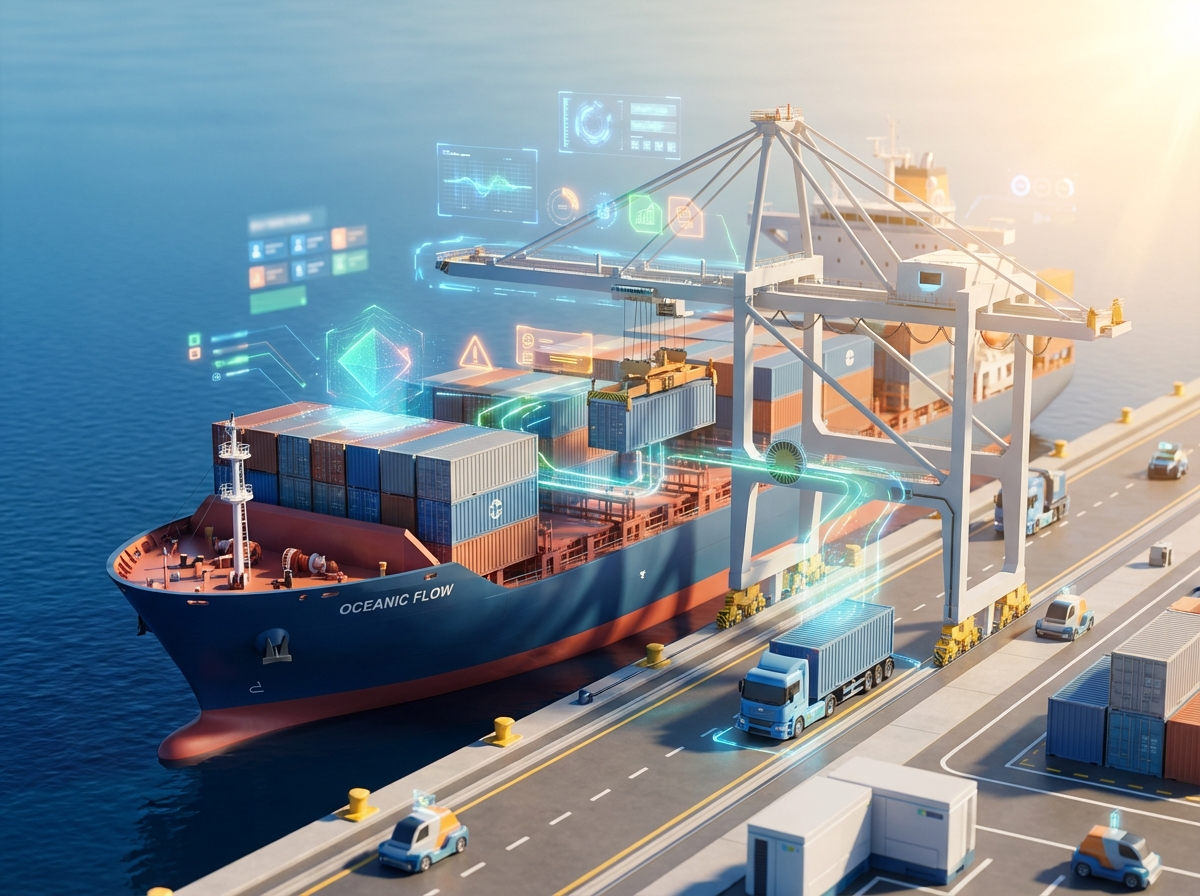
What does unified visibility look like in day-to-day port operations? Consider these scenarios:
Managing Peak Season Surges
During high-volume periods, the TMS flags potential yard bottlenecks as soon as they arise. Automated alerts from the Milestone & Exception Management module enable operations managers to reallocate drivers and containers in response, before delays escalate. Real-time analytics confirm that the surge is being handled efficiently, with no major incidents.
Standardizing Workflows Across Multiple Sites
With FreightTracker as a single source of truth, process templates and configurable rules are deployed to every terminal. This ensures consistent milestone handling and rapid onboarding of new staff. Data is captured accurately at every touchpoint, feeding directly into leadership and board-level reports.
Rapid Exception Resolution
Automated notifications highlight delays or container exceptions. Operations teams can drill down into the underlying issue, communicate directly with drivers or yard staff, and resolve problems swiftly. Every action is tracked and benchmarked, enabling continuous improvement and faster future cycles.
Crucially, unified visibility is not limited to internal teams. FreightTracker’s Customer Portal provides shippers and end customers with live tracking and shipment status, reducing inbound queries and increasing transparency. This external visibility strengthens relationships and supports the company’s reputation for reliability.
Business Outcomes: Efficiency, Margin, and Scalability
The operational gains from unified visibility translate directly into measurable business outcomes:
- Faster Exception Response: Automated alerts and real-time data flows reduce exception handling times by up to 50 percent, minimizing the risk of costly delays or compliance breaches.
- On-Time Container Moves: With end-to-end tracking and milestone management, achieving 98 percent or higher on-time performance becomes realistic even during peak surges.
- Reduced Manual Work: Centralized job management and process automation cut manual process hours per terminal, unlocking capacity without increasing headcount.
- Improved Margins: Fewer errors, reduced demurrage, and more efficient resource allocation contribute to margin gains—often exceeding 2 percentage points after full rollout.
- Scalability: With standardized workflows and integrated analytics, scaling up to new terminals or markets becomes feasible without outpacing the organization’s ability to train, onboard, and supervise teams.
Moreover, accurate, real-time operational data supports strategic decision-making by executive teams and boards. Operations leaders can provide quantifiable proof of efficiency gains, compliance, and service level achievement—a crucial lever for building long-term competitive advantage.
Conclusion: Laying the Groundwork for the Future of Port Logistics
Unified visibility is not a future goal—it is a present-day necessity for port-based logistics providers seeking growth, resilience, and operational excellence. By connecting every container, asset, and driver in a single, real-time technology platform, operations leaders can move from firefighting to proactive management. The result is an operation that not only withstands the pressures of peak season but sets the standard for industry best practices.
For organizations ready to leave behind the limitations of fragmented systems, platforms like FreightTracker offer a proven path to greater control, efficiency, and scalability. Unified visibility is more than a technology upgrade—it is the foundation of next-generation port operations.