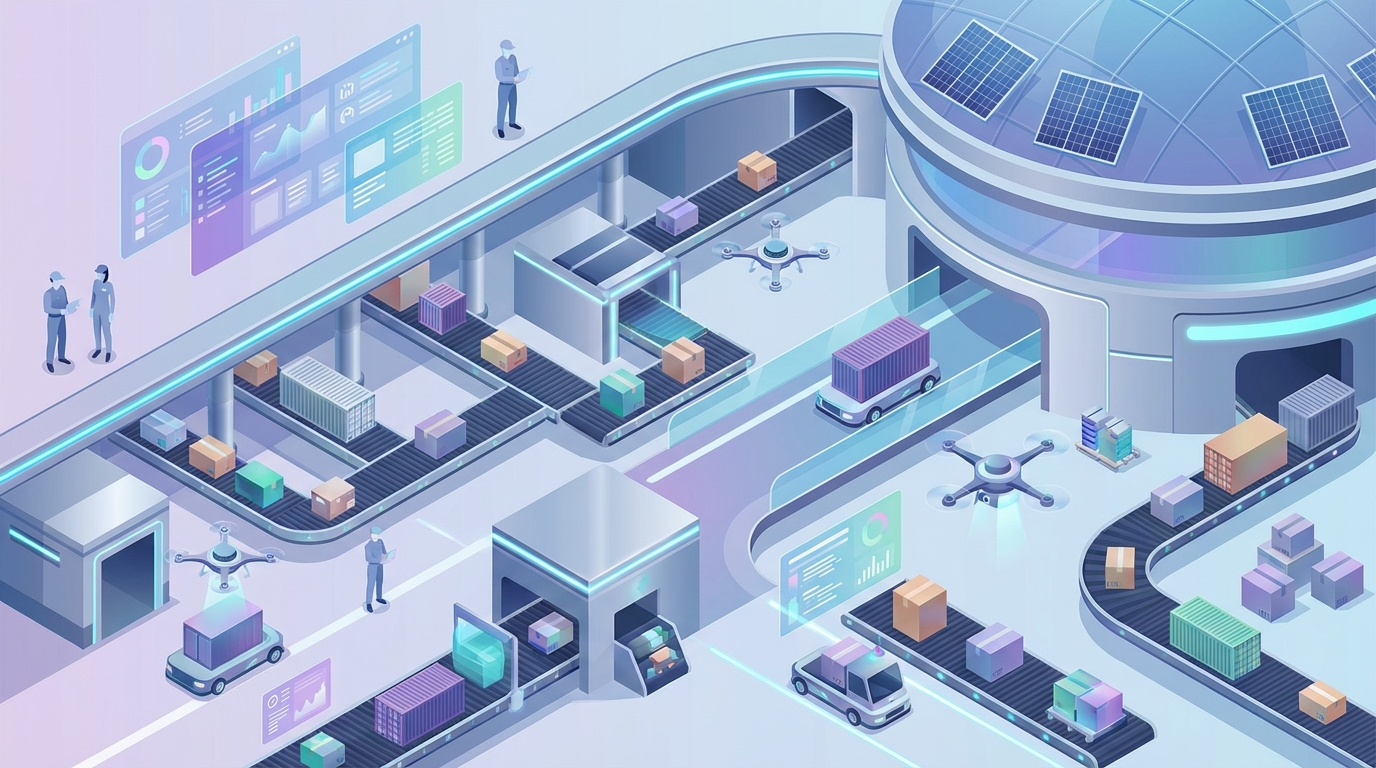
Introduction: The Growth Paradox in Freight Operations
Freight and logistics operators are facing an interesting paradox. As networks grow and customer demands rise, scaling operations often seems to require a larger admin team. The pressure is especially acute for organizations managing complex, multi-carrier, and intermodal shipments. Leaders responsible for transportation and network operations know that simply hiring more staff is not a sustainable answer. Instead, operational excellence—and true scalability—depends on leveraging automation and integrated Transport Management Systems (TMS) to centralize, standardize, and reduce the manual workload across the board.
Why Manual Processes Hold Back Scalability
For many logistics providers, legacy systems and manual workarounds remain the backbone of daily operations. Teams spend countless hours chasing down shipment statuses, reconciling mismatched invoices, or updating spreadsheets to track exceptions. The symptoms are familiar: limited shipment visibility, inconsistent workflows across regions, and frequent billing disputes that erode both profit margin and customer trust.
These inefficiencies become painfully obvious during periods of growth or peak shipping seasons. Every additional shipment stretches admin resources further. Bottlenecks emerge around status updates, exception handling, and document reconciliation. The risk is not just operational burnout but also a loss of competitive edge as customer expectations for transparency and speed continue to rise.

How Automation and TMS Platforms Eliminate Bottlenecks
Modern TMS platforms, like FreightTracker’s Transport Management System (TMS), are purpose-built to address these pain points. The core value of a TMS is its ability to centralize job management, automate key workflows, and provide real-time visibility across all carriers and shipment types.
Key capabilities include:
- Centralized job management: Plan, dispatch, and monitor every shipment from a single platform, reducing the need for fragmented systems or manual tracking.
- Drag-and-drop planning and live ETA tracking: Operations managers can optimize routes and monitor shipments in real time, minimizing time spent on phone calls or email status updates.
- Automated rating and driver communications: By automating pricing and standard communications, admin teams spend less time on repetitive tasks and more on high-value exception management.
Automation in these areas leads directly to reduced admin hours per job, improved on-time delivery percentages, and lower cost per shipment—all without needing to expand the size of the back-office team.
Milestone & Exception Management: Staying Ahead of Disruptions
Scaling efficiently means more than just moving freight from point A to B. It requires proactive management of milestones and exceptions across increasingly complex supply chains. This is where Milestone & Exception Management tools come into play.
By configuring shipment milestones and automated exception alerts, operations teams can spot delays or disruptions before they escalate into costly problems. Proactive notifications ensure that staff can intervene quickly, communicate with customers, and resolve issues in real time. Crucially, this reduces the manual burden of exception handling, which often consumes a disproportionate share of admin hours during high-volume periods.

Reporting & Analytics: Turning Data Into Scalable Decisions
As shipment volumes grow, so does the complexity of decision-making. Leaders need the ability to identify bottlenecks, measure performance, and spot inefficiencies before they impact margins or customer satisfaction. Integrated Reporting & Analytics tools within a TMS provide real-time dashboards, custom reports, and KPI tracking that make this possible.
With unified access to operational and financial data, operations leaders can:
- Monitor cost per shipment and billing accuracy
- Identify recurring exceptions or outliers by customer or region
- Drive continual improvement by benchmarking performance across the network
Automating reporting also frees up admin teams from compiling data manually, allowing resources to be focused on analysis and proactive intervention.
Real-World Outcomes: Scaling Without Headcount Creep
Operations leaders in freight and logistics who embrace integrated automation platforms typically see dramatic improvements in their ability to handle increased shipment volumes without scaling admin headcount in parallel. For example, consolidating execution data and workflows across all carriers into a single actionable platform enables teams to:
- Reduce manual exception handling time by up to 40%
- Achieve live trackability and visibility for over 95% of shipments
- Standardize SLAs, processes, and billing data across the network
- Cut billing cycle times to less than two business days post-delivery
These outcomes are not just theoretical—they are being achieved by logistics providers that invest in the right technology stack and commit to process automation as a strategic imperative.
Key Steps to Begin Your Automation Journey
For organizations looking to scale without growing their admin team, here are actionable steps to consider:
- Assess Your Current Admin Workload: Identify manual processes that consume the most time and are most prone to error, such as status tracking, reconciliation, or exception management.
- Define Your Scalability Goals: Set measurable objectives—like reducing exception handling time by a set percentage, or increasing shipment visibility to a specific threshold.
- Pilot Modern TMS Solutions: Evaluate platforms that offer centralized control, real-time visibility, and proven automation capabilities. Prioritize solutions that integrate seamlessly with your existing carrier and partner systems.
- Standardize and Automate Workflows: Use your TMS to enforce best-practice operational processes and consistent SLAs across all carriers and customers.
- Invest in Analytics: Leverage reporting tools to monitor progress, identify new bottlenecks, and drive continuous improvement.
Ultimately, scaling freight operations today means more than moving more freight—it is about building an agile, automated foundation that can flex with business growth, absorb volatility, and deliver operational excellence without ever-increasing headcount. FreightTracker’s integrated suite of automation and control tools is designed to help logistics providers achieve exactly that.