Why Workflow Standardization Matters for 3PLs
In today’s hyper-competitive logistics landscape, third-party logistics providers (3PLs) face constant pressure to deliver faster, more reliable, and more cost-effective services. As networks become more complex—incorporating a mix of owned fleets, subcontracted carriers, and multi-modal shipments—operational consistency becomes a critical differentiator. For operations leaders tasked with overseeing multi-region carrier networks, the lack of standardized workflows is more than an inconvenience. It’s a strategic risk that can threaten margins, customer relationships, and the ability to scale.
Workflow standardization is not just about efficiency. It’s about building a repeatable, auditable, and competitive foundation that can flex with market demands. By aligning carriers, regions, and teams around consistent processes, 3PLs can unlock new levels of agility, accountability, and value for their customers.
The High Cost of Operational Inconsistency
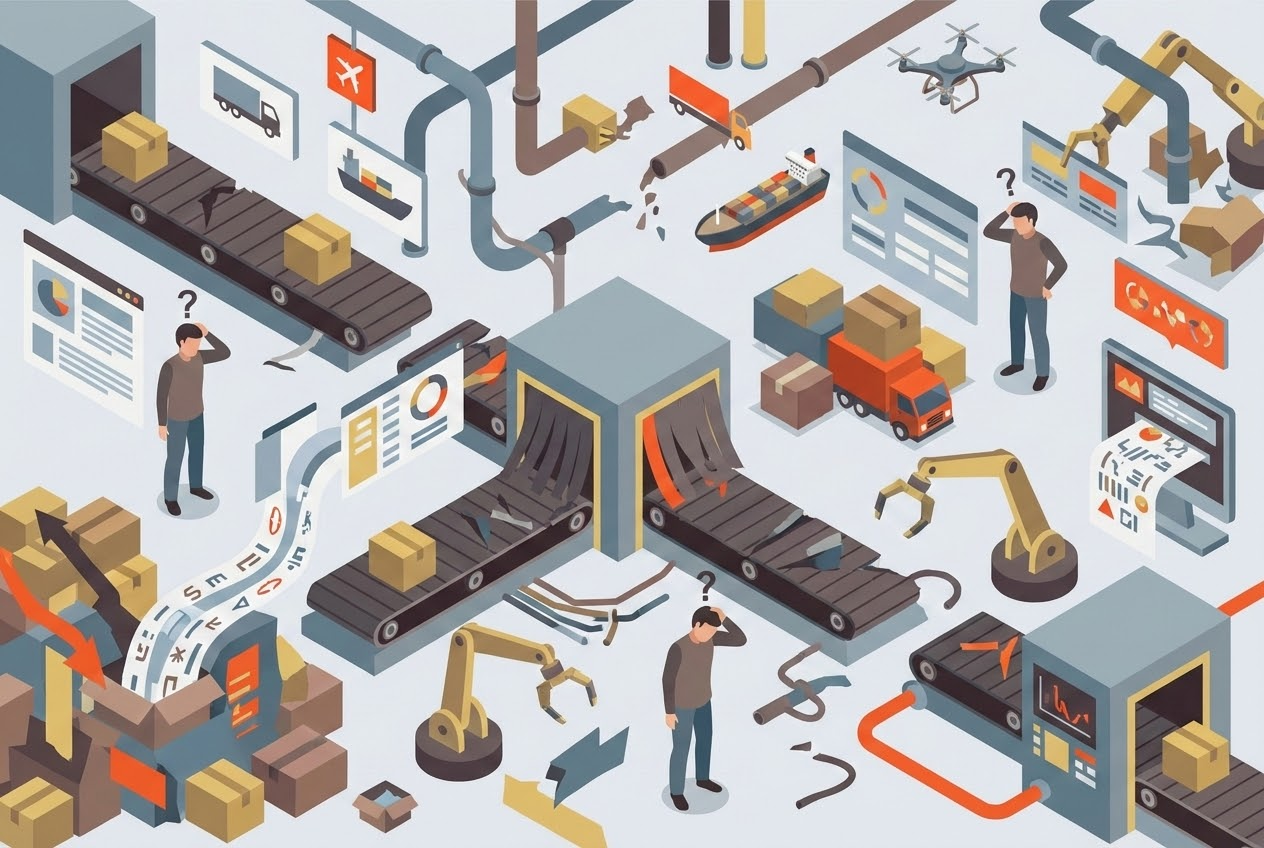
Without standardized workflows, logistics operations become a patchwork of spreadsheets, emails, and phone calls. Each partner or customer may use slightly different processes. Exception handling often falls to manual intervention, and data lives in silos—if it’s captured at all. This fragmentation leads to:
- Repetitive manual work, draining admin resources
- Inaccurate or delayed shipment status updates
- Missed milestones and late deliveries
- Frequent billing disputes and lost revenue from unbilled accessorials
- Difficulty enforcing SLAs across the network
- Increasing headcount simply to keep pace with growing volumes
For 3PL operations leaders, these pain points translate into higher costs per shipment, eroded customer trust, and stalled growth. In competitive markets, margin leakage from inconsistent processes is unacceptable. Inconsistent workflows also make it almost impossible to provide the real-time visibility and responsiveness that shippers now expect.
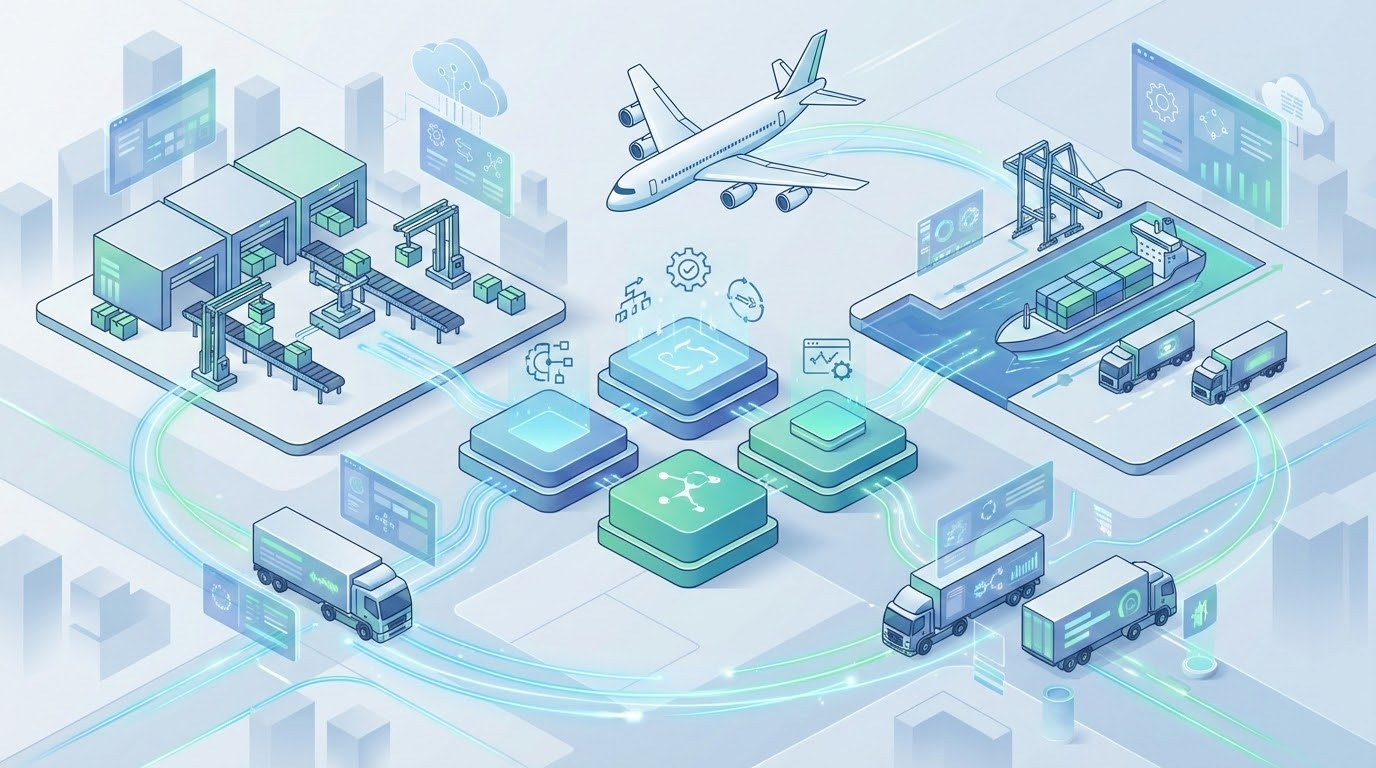
How Centralized Platforms Enable Standardization
Standardizing workflows across a diverse carrier network is achievable, but only with the right technology foundation. Platforms like FreightTracker HUB (Multi-Carrier) are designed specifically for 3PLs and enterprise shippers that need to connect, manage, and standardize processes across multiple partners and systems.
Centralized, automated platforms unify fragmented workflows by:
- Connecting all carriers, subcontractors, and internal teams in a single system
- Enabling network-wide job creation, planning, and execution using consistent templates and business rules
- Automating milestone capture, SLA enforcement, and exception alerts
- Providing a single source of truth for operational and billing data
- Delivering real-time updates and visibility across all shipments and handoffs
With FreightTracker HUB, 3PLs can consolidate carrier data, enforce standard operating procedures, and ensure every stakeholder operates from the same playbook—regardless of mode, region, or partner.
Key Benefits: Visibility, Scalability, Profitability
The impact of standardized workflows reaches every part of the 3PL business:
1. Enhanced Visibility
- Live, network-wide tracking for 95%+ of shipments, reducing status-chasing and manual calls
- Automated milestone and exception alerts that enable proactive intervention, minimizing customer impact and late deliveries
2. Administrative Efficiency and Scalability
- Up to 40% reduction in manual exception handling time
- Ability to handle more freight volume without a linear increase in operational headcount
- Elimination of double entry and reconciliation delays between operations and accounting
3. Billing Accuracy and Revenue Protection
- Automated rating and invoicing based on standardized milestones and accessorials
- Fewer billing disputes and faster invoice cycles, driving improved cash flow
- Margin protection through accurate, consistent charge capture—no more revenue left unbilled due to process gaps
4. SLA Compliance and Continuous Improvement
- Enforce and audit SLAs across all carriers, lanes, and customers
- Drill into root causes of exceptions, enabling data-driven process improvements
- Report meaningful KPIs upstream to customers and downstream to partners, enhancing collaboration and trust

Implementing Standardized Workflows Across Carrier Networks
Transitioning from fragmented processes to a unified, automated workflow requires both strategic intent and practical execution. Here’s how leading 3PLs are driving successful standardization:
Assess and Map Current Processes: Start by identifying where inconsistencies and manual workarounds occur. Map workflows for major customers, regions, and carrier partners, noting exceptions and pain points.
Engage Partners in the Change: Carrier and subcontractor buy-in is essential. Use the central platform’s capabilities to share new standardized templates, business rules, and exception protocols. Demonstrate how real-time visibility and collaboration benefit all parties.
Leverage Platform Automation: Deploy FreightTracker HUB to automate repetitive tasks, milestone tracking, and SLA enforcement. Integrate with existing TMS, accounting, and partner systems to streamline data flows and reporting.
Monitor, Measure, and Refine: Establish clear KPIs—such as admin hours per job, on-time delivery rate, and billing cycle time—to track progress. Use the platform’s reporting and analytics to identify bottlenecks or compliance gaps for continuous improvement.
Conclusion: Future-Proofing 3PL Success
In an industry where margins are razor-thin and customer expectations keep rising, workflow standardization is the key to operational excellence. For 3PL operations leaders, moving to a centralized, automated platform like FreightTracker HUB is not just a technology upgrade—it’s a strategic shift that enables profitable growth, strengthens customer relationships, and builds true competitive advantage.
By linking every partner, process, and piece of data into a single, actionable workflow, logistics providers can scale confidently, respond rapidly to market changes, and deliver on their promises without compromise. Standardized workflows are no longer optional—they are the foundation for the next era of logistics leadership.