Introduction: The Pressure of Modern Container Operations
For operations managers in drayage and container logistics, every day presents a high-stakes balancing act. Juggling port cutoffs, driver assignments, unexpected delays, and a relentless stream of customer status requests creates ongoing stress and leaves little room for error. The stakes are high—missing a single port cutoff can translate into costly storage fees, unhappy clients, and ripple effects across the day’s schedule.
Traditional approaches, like shared spreadsheets, manual whiteboard assignments, and group texts, offer little control when the pace accelerates. When every minute counts, how can operations leaders achieve the clarity and responsiveness their teams and customers demand?
Why Real-Time Tracking Is a Game-Changer for Operations Leaders
Real-time shipment visibility is often marketed to shippers and customers, but its greatest operational value lies within the dispatch room itself. For leaders managing complex drayage flows, knowing precisely where each driver and container are—at every moment—transforms daily firefighting into informed decision-making.
Why does this matter?
- Fewer Surprises: Real-time location and load status data let operations managers spot delays or exceptions before they escalate. No more learning about a missed port cutoff after the fact.
- Faster Reactions: With live ETAs and automated alerts, reassigning drivers, rerouting loads, or escalating exceptions can happen instantly. This means fewer bottlenecks and minimized disruptions.
- Reduced Manual Churn: Instead of calling, texting, or sending repeated emails for updates, planners can trust a single dashboard that updates automatically. This frees up time for proactive problem-solving and process improvement.
- Improved Customer Experience: With accurate, up-to-the-minute updates, operations can provide customer service teams with reliable answers—without adding admin overhead.
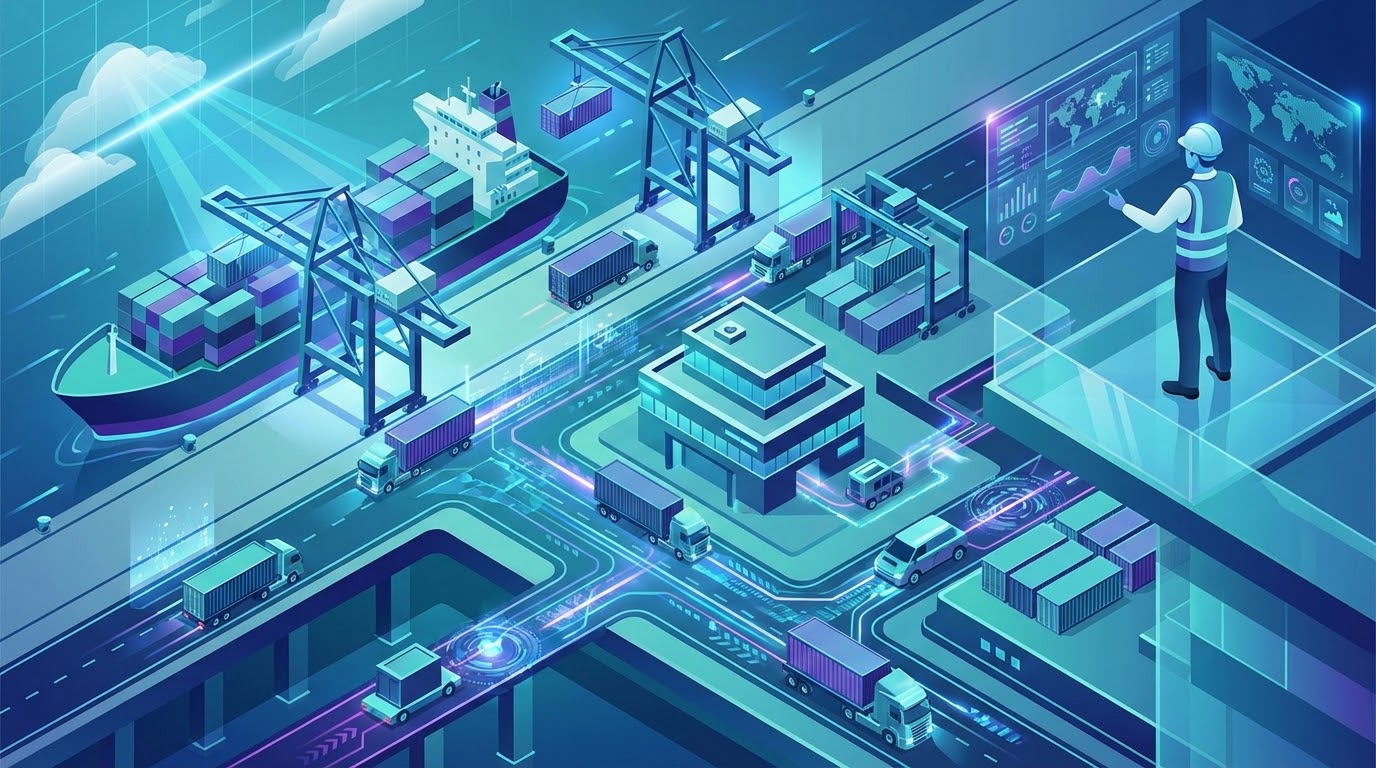
Operations managers today need more than just a static view of yesterday’s movements. They need a control tower for the present moment, connecting the dots between drivers, containers, and port schedules.

From Manual Chaos to Predictable Performance: Live Visibility in Action
Imagine managing 40 drivers operating in and out of a busy port like Savannah. Each driver’s route, load, and deadline is tracked in real time through FreightTracker’s Transport Management System (TMS). Instead of updating a spreadsheet after each call, operations staff see every job status, driver location, and milestone on one screen.
How does this change the game?
- Coordinating Tight Port Cutoffs: When a driver is delayed en route, the system’s live ETA tracking and exception alerts notify dispatch immediately. Loads can be reassigned or prioritized—reducing costly missed cutoffs by up to 50%.
- Optimizing Fleet Utilization: With drag-and-drop planning and live updates, dispatchers can balance driver assignments based on who is closest or who just cleared a load. This maximizes utilization and keeps the fleet moving.
- Taming Information Overload: No more endless status calls or scattered group texts. Automated status updates and exception notifications ensure everyone—planners, drivers, customer service—works from the same source of truth.
- Training and Onboarding: New dispatchers and drivers get up to speed faster. Templates and dashboards mirror real-world drayage workflows, reducing the learning curve and boosting daily adoption.
By eliminating manual updates and scattered information, real-time visibility lays the foundation for predictable, stress-limited operations.

Key Capabilities to Look for in a Real-Time Shipment Platform
Not all visibility tools are built for the realities of port and container logistics. For operations managers, the right platform should offer:
- Centralized Job Management: All shipments, drivers, and milestones tracked in one intuitive dashboard.
- Live ETA and Route Tracking: Up-to-the-minute location data, with proactive alerts for delays and exceptions.
- Automated Exception Management: Configurable alerts for approaching cutoffs, dwell time breaches, and driver issues—enabling immediate intervention.
- Driver Communication Tools: Clear, real-time messaging between dispatch and field teams, integrated within the platform.
- User-Friendly Interface: Minimal training required for planners and drivers to adopt the system fully.
- Robust Reporting & Analytics: Visual dashboards to monitor on-time delivery, admin workload, and bottlenecks, enabling continuous improvement.
FreightTracker’s TMS, paired with Milestone & Exception Management and Reporting & Analytics modules, is designed to meet these needs—streamlining daily operations while delivering the operational ROI that busy teams demand.
Proving ROI: The Bottom-Line Impact for Drayage Operations
Transitioning to real-time shipment visibility is not just about convenience. It delivers measurable business outcomes that matter to operations leaders:
- Reduced Missed Cutoffs: Early intervention on delays translates directly into fewer storage penalties and lower client churn.
- Less Admin Time: Automating tracking and updates can slash time spent on manual entry and communications by up to 60%.
- Lower Customer Inquiry Volume: With accurate status updates available instantly, customer service teams field fewer “where is my freight?” calls, freeing them to focus on value-added tasks.
- Higher Team Adoption: When planners and drivers see direct benefits—less chaos, more predictability—they are far more likely to embrace and use the platform daily.
- Improved Operational KPIs: By centralizing workflows and enhancing visibility, operations teams consistently report higher on-time delivery rates, reduced cost per shipment, and greater planner efficiency.
These outcomes are not aspirational—they are supported by real-world results from teams who have implemented FreightTracker’s solution in high-volume, time-sensitive environments.
Conclusion: Turning Visibility into a Competitive Advantage
For operations leaders in drayage and container logistics, real-time tracking is far more than a customer-facing feature. It is the foundation for smoother dispatch, fewer surprises, and a less stressful workday. By equipping teams with live shipment visibility, intuitive dashboards, and automated exceptions management, operations managers can shift from firefighting to proactive control.
The operational ROI is clear: lower manual workload, reduced errors, and a measurable uptick in both customer satisfaction and team engagement. In a world where every container counts, real-time visibility is not just a nice-to-have—it is the new baseline for competitive, resilient operations.
Ready to see what a live control tower could do for your team? Explore how FreightTracker’s TMS is purpose-built for the realities of port and container logistics—delivering the insight and control operations leaders need, right when it matters most.