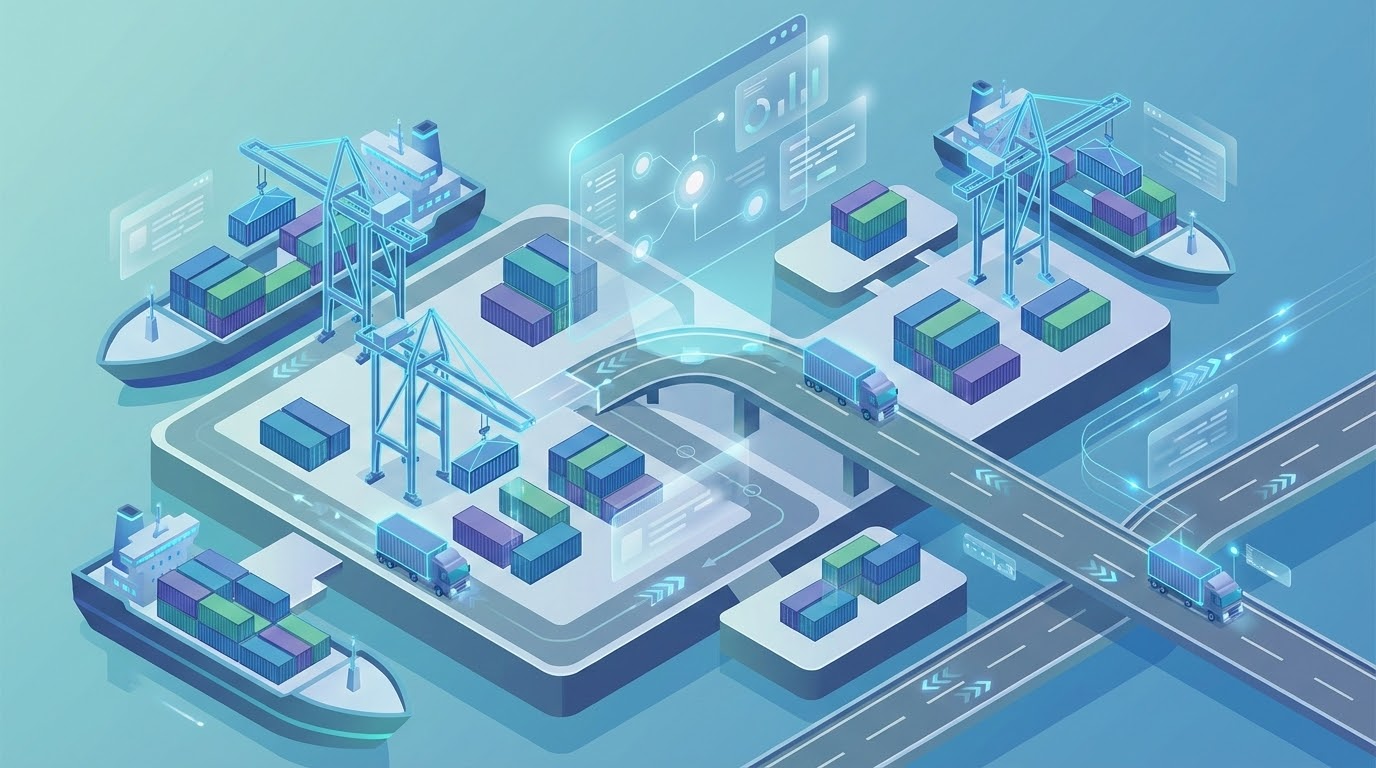
Why Detention and Demurrage Costs Are Still Climbing
Across Australia’s high-volume container operations, detention and demurrage charges continue to erode profitability and strain customer relationships. These costs are often viewed as an unavoidable outcome of port congestion or supply chain disruption, but the reality is more nuanced. For heads of transport and container operations, especially at busy gateways like Port Botany, every dollar spent on unnecessary storage or missed slots is a hit to the bottom line and a red flag for compliance risk. With mounting pressure from owners and CFOs to tighten margins and maintain audit readiness, the urgency to control these costs has never been greater.
Regulations are tightening and port operators are enforcing time windows and documentation requirements more stringently. Manual workarounds—like shared spreadsheets and patchwork communications—are buckling under the weight of increased volumes. The result? More containers overstaying their welcome, more disputes over billing, and a growing disconnect between dispatch, admin, and finance teams. Now is the time to adopt a no-nonsense framework that exposes the causes of these charges and arms your team with the tools to eliminate them.
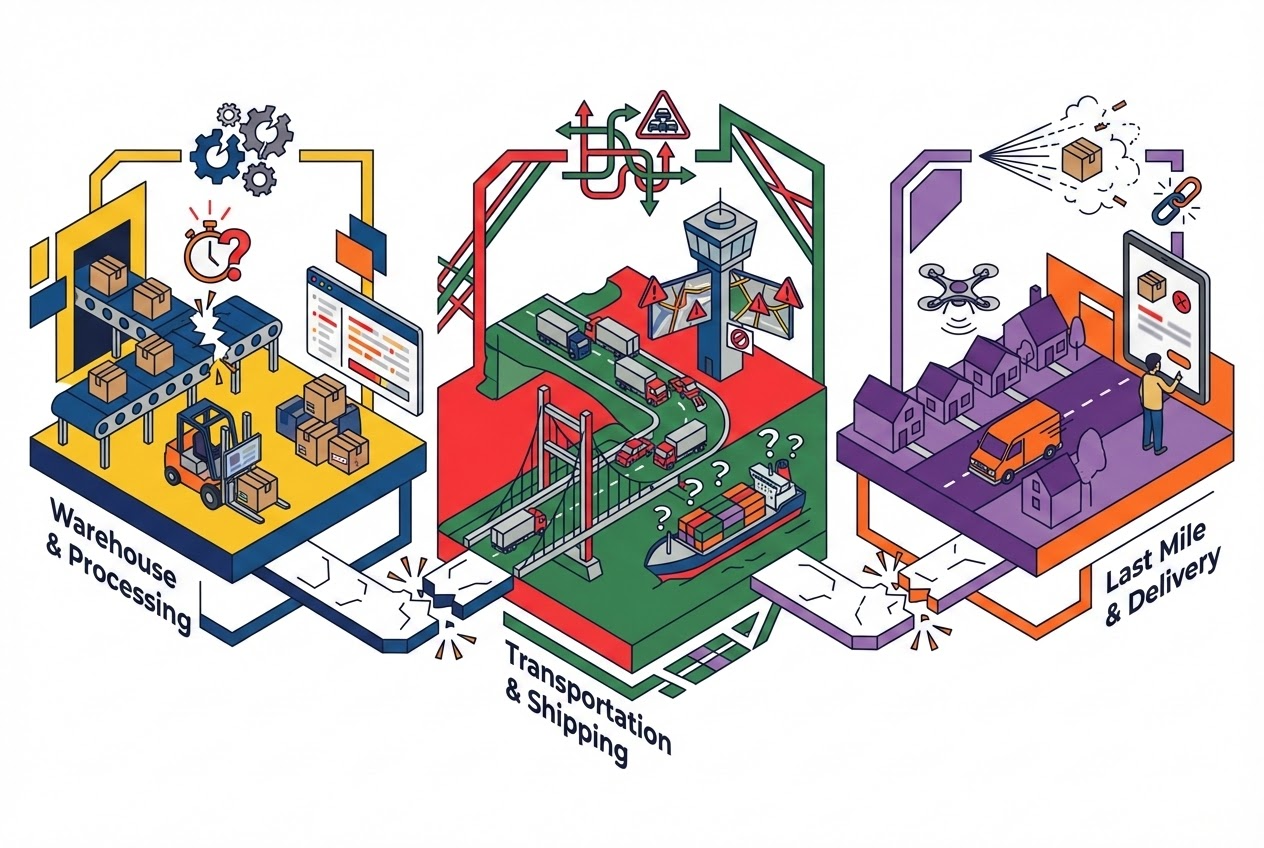
Exposing the Root Causes: The Three Biggest Operational Gaps
Based on two decades of container logistics, three recurring gaps drive most detention and demurrage exposure:
1. Poor Real-Time Visibility Once containers leave the port or terminal, operations often lose sight of their exact status. Without live, map-based tracking, delays go unnoticed until it’s too late. Disconnected systems and reliance on driver calls or emails slow response times, making it nearly impossible to proactively manage at-risk containers.
2. Manual Slot Booking and Milestone Tracking Slot bookings, container movements, and milestone updates are frequently handled through manual admin tasks—tick-and-flick updates, calendar entries, and emails. Human error and missed updates are inevitable. Each missed handoff or late slot utilization can trigger costly overruns and compliance headaches.
3. Fragmented Data Across Teams When shipment details, proof of delivery, and invoice information live in separate systems, finance and operations struggle to reconcile charges quickly or accurately. This leads to billing delays, disputes with customers, and missed opportunities to intervene before costs escalate.
The Practical Framework: A Step-by-Step Approach for 2026
Reducing detention and demurrage does not require reinventing your business. Instead, focus on a practical, repeatable process:
Step 1: Map the Shipment Lifecycle Chart every container move from port-gate entry to final delivery and return. Document where handoffs occur, who is responsible, and what critical milestones are tracked (e.g., slot booking, gate-out, delivery, empty-return). Identify the points most prone to delay or data loss.
Step 2: Centralize Visibility and Automation Adopt a container management solution that connects drivers, dispatch, and admin within one platform. Ensure every job update, slot allocation, and milestone is automatically tracked and visible on a live dashboard. Automation here reduces manual admin workload and flags exceptions instantly.
Step 3: Integrate Exception and Delay Alerts Use configurable milestone and exception management tools to issue real-time alerts (via SMS or in-app notifications) when containers are at risk of breaching detention or demurrage windows. Early warnings allow immediate action—rerouting drivers, rescheduling slots, or notifying customers of revised ETAs.
Step 4: Consolidate Documentation and Billing Digitize proof of delivery and compliance records. Link every shipment automatically to its relevant documentation, rate, and billing data. Batch process invoices with correct accessorials to eliminate disputes and accelerate cash flow.
Step 5: Track Compliance and Performance Metrics Leverage analytics to monitor trends in milestone compliance, container dwell times, and cost-per-shipment. Use this data to identify root causes and continuously refine processes.

How FreightTracker’s Container Transport Module Drives Real Results
FreightTracker’s Container Transport Module is purpose-built for the realities of port and container operations. It addresses all three operational gaps directly:
- Real-Time Container Tracking: The module offers map-based, live tracking for every container in the network. This visibility ensures dispatch knows exactly where assets are, whether in transit or waiting at a terminal. You can reallocate drivers based on emerging congestion and keep customers informed with up-to-the-minute status updates.
- Automated Slot and Milestone Management: Slot bookings, job ratings, and time slot management are automated within the platform. Admins no longer need to chase paperwork or manually update spreadsheets. The system auto-flags containers at risk of breaching free-time limits, preventing storage overruns.
- Integrated Demurrage and Detention Alerts: The module issues instant notifications if a container is nearing its allowed dwell time, or if exceptions occur. This enables operations managers to take proactive measures—rerouting, rescheduling, or contacting partners before fines accrue.
- Seamless Documentation and Invoicing: Digital POD capture and document uploads are linked automatically to each job. When delivery is complete, invoices are batch-processed with correct auto-rated charges, cutting billing errors and reducing disputes.
- Analytics for Continuous Improvement: FreightTracker’s reporting capabilities allow you to monitor KPIs like average dwell time, cost per shipment, and compliance rates. This supports ongoing process refinement and helps demonstrate ROI to stakeholders.
Action Plan: Building a Culture of Urgency and Compliance
Success depends on more than technology. It requires a shift in daily habits and a company-wide commitment to compliance. Here’s how operations leaders can drive this change:
- Champion Real-Time Data: Make live container visibility a non-negotiable for dispatch, admin, and finance teams. Eliminate blind spots so issues are caught early, not during reconciliation or customer complaints.
- Automate What Slows You Down: Identify all manual admin tasks related to slot bookings, milestone tracking, and documentation. Replace or streamline them through FreightTracker’s automation features to free up staff for higher-value work.
- Create Accountability: Assign clear owners for each stage in the container lifecycle, and use exception management tools to monitor adherence. Recognize teams that prevent costly overruns and coach where compliance falls short.
- Review Metrics Regularly: Use analytics dashboards to review performance trends with your senior team. Celebrate reductions in detention and demurrage, and set clear targets for ongoing improvement.
- Stay Audit-Ready: Store all proof of compliance, POD, and billing records digitally for easy retrieval during spot checks. This not only reduces risk but also strengthens credibility with shippers and regulators.
By embedding this framework into your 2026 operations strategy, you can minimize exposure to costly port fees, accelerate billing cycles, and deliver the level of service reliability that sets your team apart in a competitive market.
For container transport and port operations leaders ready to take control, the path forward is clear: real-time visibility, automation, and data-driven accountability. FreightTracker is built to help you get there—no more lost containers, no more surprises at the end of the month, and no more tolerance for avoidable costs.